
The Treble Win: Confronting the global energy crisis successfully
September 8, 2022
Fears as to how bad the global energy crisis could get are everywhere. We only need to switch on our TVs or radios, open up newspapers, or log onto social media platforms to find grim projections of spiralling costs and a looming winter of discontent. Rocketing gas and electricity bills are already forcing some businesses to close while others are bracing for an uncertain future where survival is the sole objective.
The energy crisis also comes at a time that another crisis continues to threaten our collective sense of security – climate change. With the commercial sector found to be responsible for nearly a fifth (18%) of British greenhouse gas emissions in 2020, every business has a duty to become more environmentally sustainable.
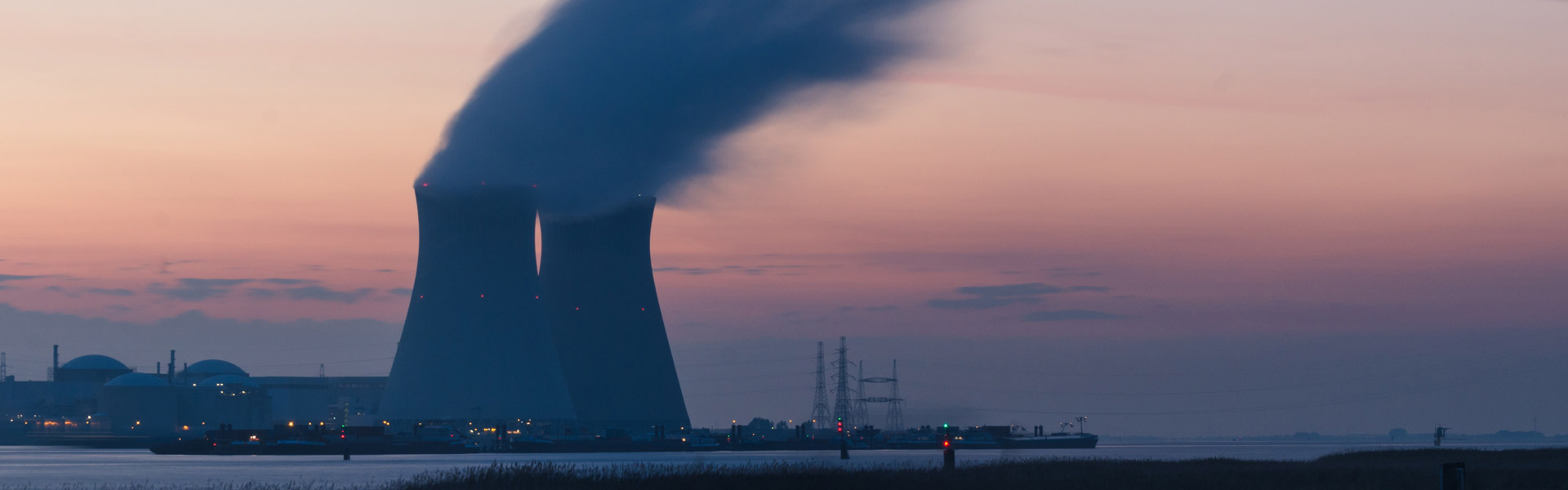
Unfortunately, there is no magic wand or incantation that can disappear the energy or climate crisis. However, there are steps that can be taken today that will help lay the foundations for a brighter tomorrow.
In this piece, we explain how you can keep utility bills to a minimum, contribute to the development of renewable energy, and reduce your business’ carbon footprint to emerge from this crisis with a treble win.
What’s causing the global energy crisis?
In order to understand how any crisis might be tacked, it’s useful to understand how it came about in the first place. As far as the global energy crisis goes, it was a number of events coming together that opened a Pandora’s box.
The pandemic
COVID-19 and the subsequent shut down of global economies triggered a sharp drop in energy demand and, as a result, oil production. Even against the backdrop of the Russia–Saudi oil price war, OPEC’s response to the demand recovery was sluggish, leading to a demand/supply imbalance. An imbalance exacerbated by continuing stresses on global supply chains that choked delivery of extracted fuels.
Climate irregularities in Brazil and the West Pacific
A factor that rarely gets equivalent airtime as the others is the 2021 climate irregularities in Brazil and the West Pacific. Brazil depends on hydropower for two-thirds of its electricity and the country’s most severe drought in almost a century decimated supplies. Meanwhile, in the West Pacific, the El Nino warm phase impacted typhoon paths, reducing waterfall throughout Taiwan and Southern China and Taiwan and similarly disrupting hydroelectric power supply. With both regions deferring to fossil fuels to make up the shortfall, demand and thus prices spiked globally.
Ukraine
If the pandemic and climate irregularities had caused a problem, it was Russia’s invasion of Ukraine that elevated status levels to ‘crisis’. In response to the sanctions placed on it by major world economies, Russia throttled pipeline deliveries to Europe. In the ensuing frenzy to secure limited supplies of liquefied natural gas ahead of the winter months, prices skyrocketed.
Introducing the Treble Win
It is worthy of reiteration that the global energy crisis, set only to worsen in the short-term, will impact every business. The trinity of victories we discuss here are about minimising that impact during the worst of the crisis by making changes that will lead to a more secure and sustainable future.
Win 1: Reduce business energy costs
OK, this sounds obvious to the point of insulting, but it’s remarkable how many businesses bemoan spiralling energy costs while doing next to nothing to alter their behaviours and practice. Bringing energy costs down in a meaningful way requires more than just switching the staffroom light off when not in use.
The first (and arguably most crucial) step to take is to arrange an energy audit. After all, you can’t reduce costs if you don’t know what’s causing them. An effective energy audit will measure all business energy consumption and calculate where, how, and when most it is used. Equipped with this information, auditors will then propose actions to cut energy dependency in the most non-disruptive ways possible, including ways to reduce greenhouse gas emissions.
Switching energy supplier can also make a surprising difference. As business energy contracts tend to be complex and high-value, many leaders believe the act of switching supplier presents too much of an upheaval. This is simply not true. Today’s suppliers provide a range of tariffs, including different rates for different times of the day and perks such as free energy management software. However, finding the right one can be challenging. Outsourcing the research to a professional company means you can be paired with a better supplier for your business needs without having to take employees off task.
Insulate. A properly insulated business premises requires less energy to reach a desired temperature and less energy means less expenditure. Upgrading a building’s insulation can be an expensive and lengthy process but it is the ultimate in speculating to accumulate. Installing cavity wall insulation, updating window glazing, and weatherstripping doors and windows drastically reduces energy dependency and with it, your bills.
Consider electronic vehicles. With the number of electronic vehicles set to increase in the coming decades, your brand could yet become a vanguard of this technology. Electric vehicles will allow your business to move away from fossil fuel-powered transport and, when sourced from renewables such as solar and wind, have the potential to significantly lower your business’s carbon footprint.
Win 2: Convert to renewables
Aside from taking an important ethical step towards protecting the planet, converting to a green tariff delivers a raft of business benefits that can be measured in pounds and pence.
It’s great for PR. The more climate change features in the media, the more suspicious consumers become towards businesses they feel are failing to act in the planet’s best interests. Switching to wholly renewable tariffs provides an opportunity to communicate your business’ commitment to sustainability and differentiate your brand from competitors.
It’s a long-term strategy. Climate change or no climate change, fossil fuels are a finite commodity. As the UK looks to slash carbon emissions by 78% by 2035, more and more energy will be generated from renewable sources. Especially right now, with the phasing out of coal and prices for gas practically out of control, converting to a green tariff today makes long-term business sense.
You’ll attract and retain the best talent. Employee recruitment and retention represent two major business costs both of which can be brought down by powering your business with renewables. Recent research revealed that 60% of British job seekers examine a potential employer’s sustainability commitments before accepting a position. Meanwhile, almost a fifth (18%) of workers overall and one in 3 (34%) Millennials would reject an organisation they felt was harming the natural world. As such, a demonstrable commitment to sustainability will help your business attract and retain the best talent, saving the costs associated with each and giving you better access to the skills needed to be successful in increasingly competitive marketplaces.
Win 3: Reduce your overall carbon footprint
How realistic the goal is, is open to debate, but the UK government is sticking with its target of decarbonising all sectors and being a net zero economy by 2050. Should the target prove achievable as we inch closer to that date, there will be an uncomfortable scramble to make changes among those businesses that left it too late to address their own carbon footprints.
With over a quarter of a century to go, there is time for businesses to not only start the process of becoming carbon-neutral but of reaching 2050 as a long-established green enterprise. However, that 25+ year window should be viewed cautiously as it is not one that climate change itself will pay heed to.
So that you business might make a significant contribution to environmental protection while benefitting from the advantages outlined above, the journey to net zero needs to begin sooner rather than later.
By bringing in net-zero consultants to carry out a carbon audit across all levels of your business you will receive a detailed report of your overall carbon footprint with advice on where emissions can be reduced. This could involve improving energy efficiency, ways to minimise waste, and/or switching to a renewable energy tariff.
Should it not be possible to reduce your business’ emissions to zero without considerable disruption, you can bridge the gap by offsetting your consumption with carbon credits. Purchasing authentic carbon credits means the emissions your business does generate are offset by investment into projects such as tree planting. Typically, one carbon credit equals one tonne of CO2 removed from the atmosphere.
Technology is also available to help accelerate the expedition to carbon neutrality. The IPSUM carbon management system tracks, measures, and monitors your emissions before providing an overview of your carbon footprint on one, user-friendly dashboard.
Using small IoT sensors connected to your energy use points, the system enables you to calculate how much energy is being used in your business at any one time, as well as when and where.
Work towards the Treble Win with Tariff
If you want your business to bring energy costs down, switch to renewables and reduce its carbon footprint for a treble win, get in touch with Tariff.com today. Our expert energy consultants will guide you through the latest methodologies for optimising energy consumption and eliminating wasteful practices.
By leveraging our extensive industry experience and insider knowledge, we will scour the market for the best possible deals and provide all the support needed to switch supplier.
Take control of your energy usage, emissions, and spending today by submitting your current energy bills to Tariff.com or picking up the phone and speaking to us in person.